THE SUBSCRIBE BUTTON USED TO MEAN LOYALTY. NOW, IT’S JUST A REMINDER OF WHO YOU ONCE WATCHED.
YouTube has changed. The subscribe button, once the heart of the platform, doesn’t hold the same power it used to. Years ago, hitting that red button was like joining a fan club a small gesture that told YouTube, “show me more from this creator.” Today, even if you subscribe to your favorite channels, you probably still rely on your homepage recommendations instead.
The platform’s evolution, paired with its algorithmic shift and the introduction of Shorts, has made the subscribe feature almost symbolic a badge of support rather than a practical tool for content discovery.
The Original Purpose of Subscribing
When YouTube first started, subscriptions were simple. You found a creator you liked, subscribed, and their new uploads would appear in your Subscriptions feed.
For early YouTube, this worked perfectly. There was no complex algorithm trying to predict your mood or interests. If you subscribed to ten creators, those were the ten you saw.
Back in 2010–2013, YouTube even had email notifications for new uploads. It felt personal. The connection between viewer and creator was clear a creator’s growth directly reflected in their subscribers.
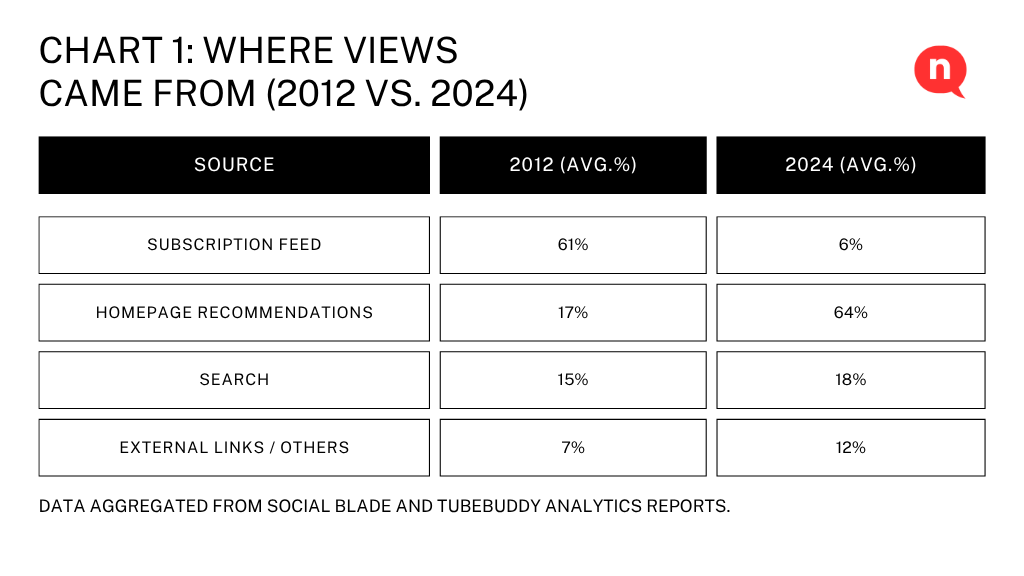
A 2012 study of YouTube traffic data showed that over 60% of views on medium-sized channels came directly from the Subscriptions feed.
It was simple, transparent, and creator-driven.
How The Algorithm Changed Everything
The biggest change came in 2015–2016, when YouTube completely revamped its recommendation system. The goal was to maximize watch time, not just show what people subscribed to.
YouTube realized that users weren’t clicking on every new upload from their subscriptions. Instead, they watched what the algorithm placed in front of them. So, the platform adapted prioritizing videos that kept users watching longer.
That meant suggested videos, personalized home feeds, and end-screen recommendations began dominating the user experience.
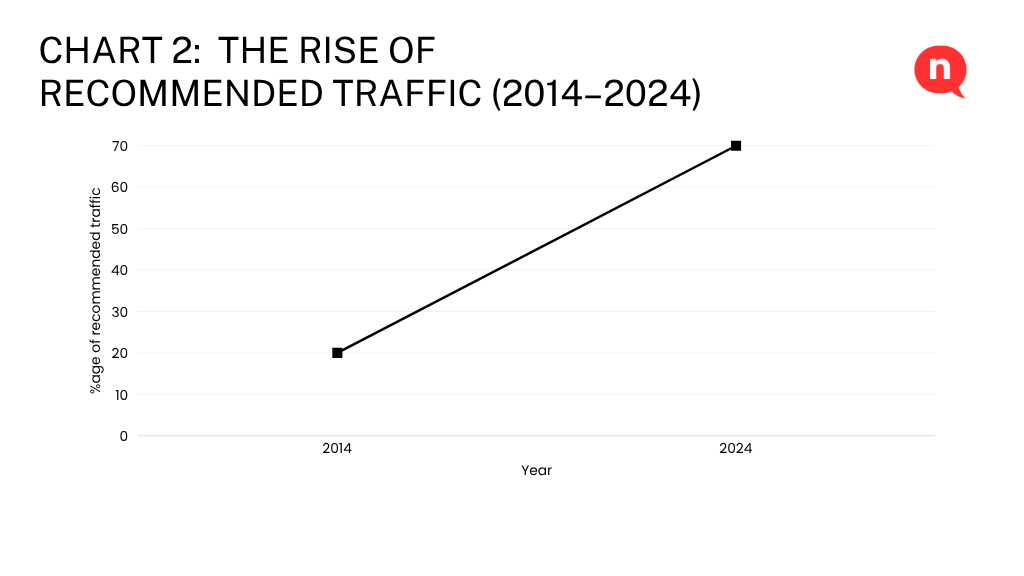
Today, most creators see over 65–80% of their traffic from recommendations. Subscriptions don’t guarantee visibility anymore.
Creators even started saying it outright “don’t just subscribe, hit the bell icon.” But even that didn’t last long. Now, even with notifications turned on, YouTube filters them based on engagement patterns.
It’s not about who you follow anymore. It’s about who you watch most often and for how long.
Why the Subscriptions Page Is Dying
Go to your YouTube app. Tap the “Subscriptions” tab. Chances are, it’s not the first thing you open.
YouTube’s homepage automatically curates videos you’re most likely to enjoy not just from channels you follow but from anywhere across the platform.
In fact, according to a 2023 user study by Pew Research, only 12% of YouTube users said they regularly check the Subscriptions page.
YouTube has become less of a library and more of a slot machine. You open it not to see who uploaded, but to see what the algorithm picked for you.
The “Subscriptions” page is now a niche feature — mostly used by enthusiasts, long-time fans, or creators themselves. It feels like Reddit’s “following” tab: it exists, but it’s not the main attraction.
YouTube even redesigned its app layout to push users toward Home and Shorts, not Subscriptions.
The YouTube Shorts Effect
Shorts changed YouTube forever. What TikTok did to vertical content, Shorts did to YouTube’s structure.
Now, when you open the app, it often defaults to the Shorts feed. These short videos are designed to keep you scrolling endlessly. The algorithm decides what’s next, not who you follow.
Creators who once relied on their subscribers for views now depend entirely on the recommendation system. Shorts are shown to people who’ve never heard of the creator which is good for reach, but bad for loyalty.
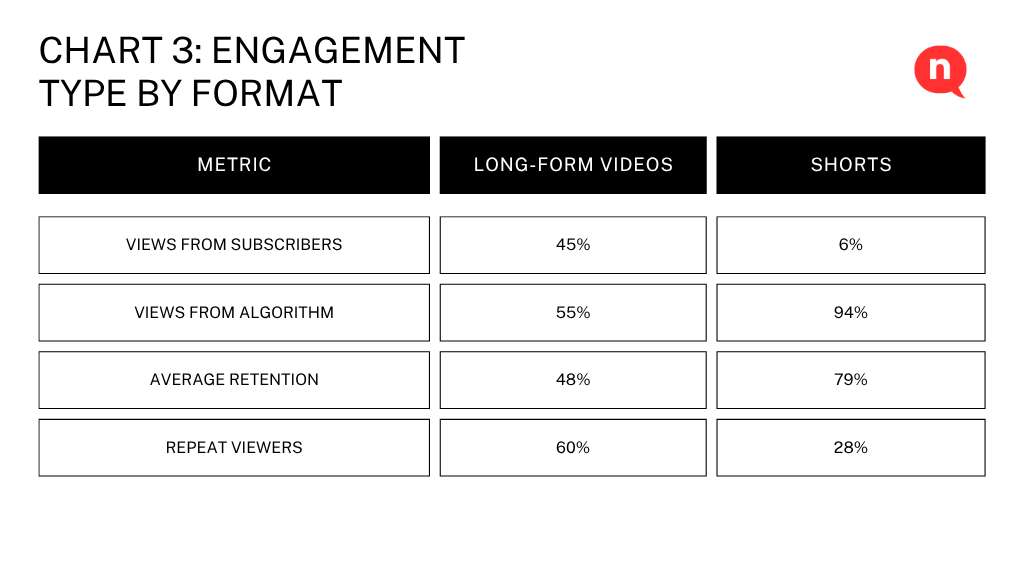
Shorts prioritize reach, not relationships.
Even creators themselves say that Shorts “grow numbers, not communities.” The sense of long-term audience connection built through years of consistent uploads doesn’t translate to a short-form environment.
Subscribing in this ecosystem is like bookmarking a post it feels nice, but you might never check it again.
So What Does ‘Subscribing’ Mean Now?
Today, hitting “subscribe” means three things:
- You want to support a creator symbolically.
- You might want to get occasional updates — if YouTube decides to show them.
- You’re part of a number that defines the creator’s credibility.
That’s it.
Subscribing doesn’t guarantee you’ll see new uploads. It’s a vote of trust, not a ticket for content.
Creators now care more about click-through rates, watch time, and retention metrics the algorithm actually uses. Subscriber count has become like an old trophy. It still shines, but it doesn’t win the race anymore.
For many small creators, this shift is brutal. They spend years building a subscriber base, only to realize that half of their audience never sees their uploads. For big creators, it’s different the algorithm already favors them because of data volume.
A channel with 10,000 loyal subscribers and consistent watch time performs better than one with a million inactive ones.
The platform has quietly changed the definition of success.
Why People Still Subscribe Anyway
There’s still emotional value in that red button. It’s nostalgia. It’s routine. It’s a way to show appreciation.
When a creator says “don’t forget to subscribe,” it’s no longer about reach it’s about recognition. Viewers hit the button like a virtual handshake.
But as YouTube moves toward algorithmic personalization, even this small gesture is fading. Younger users often don’t subscribe at all. They just rely on the feed. For them, YouTube isn’t about following creators it’s about following trends.
The Future of YouTube Engagement
The platform is slowly moving toward personalized presence where what you see isn’t what you choose, but what YouTube knows you’ll like.
Subscribing might one day be replaced by something entirely different: behavior-driven following.
Creators already notice this. YouTube analytics now track “returning viewers,” “unique viewers,” and “loyal audience percentage.” These are the new forms of “subscribers.”
Subscriber count will stay, but only as a symbolic number a relic of YouTube’s simpler days.
The Bigger Picture: Algorithm over Community
The heart of YouTube used to be the community. Comment sections were vibrant, creators spoke directly to fans, and channels grew by word of mouth.
Today, the algorithm runs the show. It decides what you see, who you discover, and what you like next. Subscribing is now a soft handshake in a system that thrives on automation.
That doesn’t mean YouTube is worse. It just means it’s changed. The personalization works users spend more time, creators get new audiences, and YouTube earns more revenue. But it comes at a cost: individuality.
MY TAKE
Subscribing isn’t dead it’s just different. It’s less about following and more about supporting.
The “Subscribe” button may still exist, but it no longer defines connection. It’s nostalgia dressed as engagement. The real relationship between viewer and creator now lives inside the algorithm’s data what you watch, skip, or replay.
And maybe that’s okay. The world has moved on, and so has YouTube. But for those who remember when subscribing meant something when every upload felt personal the platform feels a little less human.
Do you still check your Subscriptions feed, or do you just trust YouTube’s recommendations to find what you like?